Akava’s parliamentary election goals for working life: legislation needs to be updated to correspond to the current load factors in working life
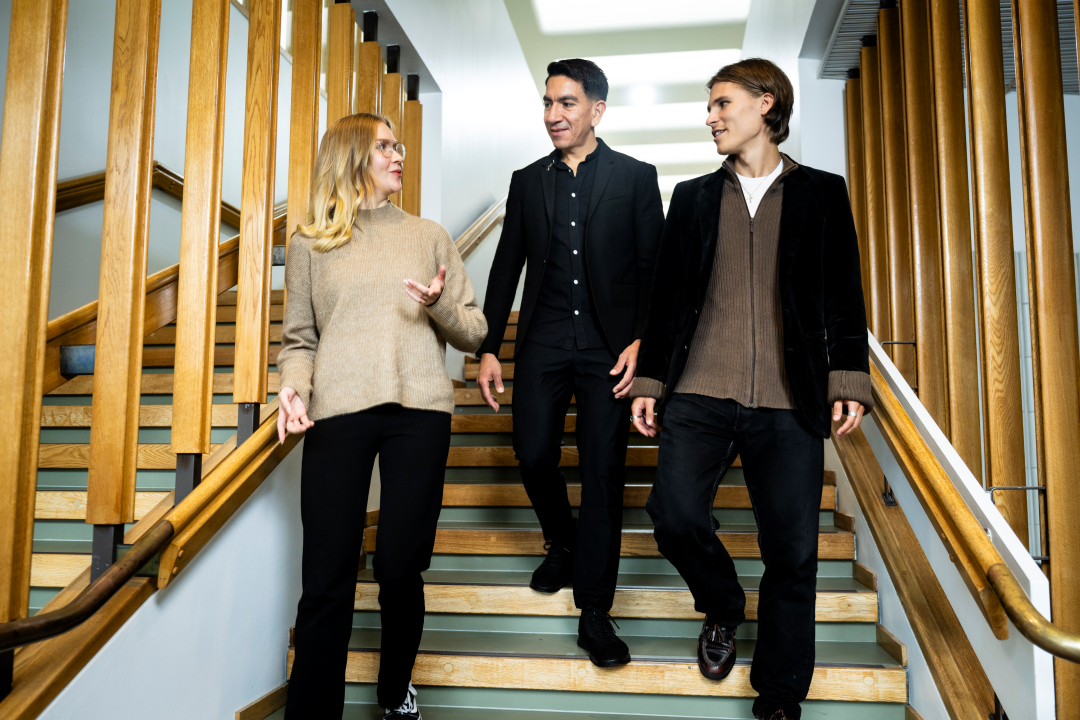
Work-related stress is affecting more and more people doing expert work. Akava strives for changes in labour legislation to correspond to the current load factors in working life, tells Akava's Labour Marker Director Ville Kopra. Moreover, workplaces need to have the skills to manage and prevent psychosocial loading.
Work-related stress is affecting more and more people doing expert work. We asked Ville Kopra of Akava what might be done to improve this situation.
Who: Ville Kopra, Labour Market Director at Akava
What: Labour legislation should be developed in such a way that improves the conditions for carrying out expert work. Ideas and innovations cannot be generated if the workforce is burned out.
Akava’s task is to influence the rules of working life so as to ensure that they serve highly educated people.
Ville Kopra, Labour Market Director at Akava, is responsible for influencing decisions concerning, for example, labour legislation, occupational safety, equality in working life and earnings-related pensions.
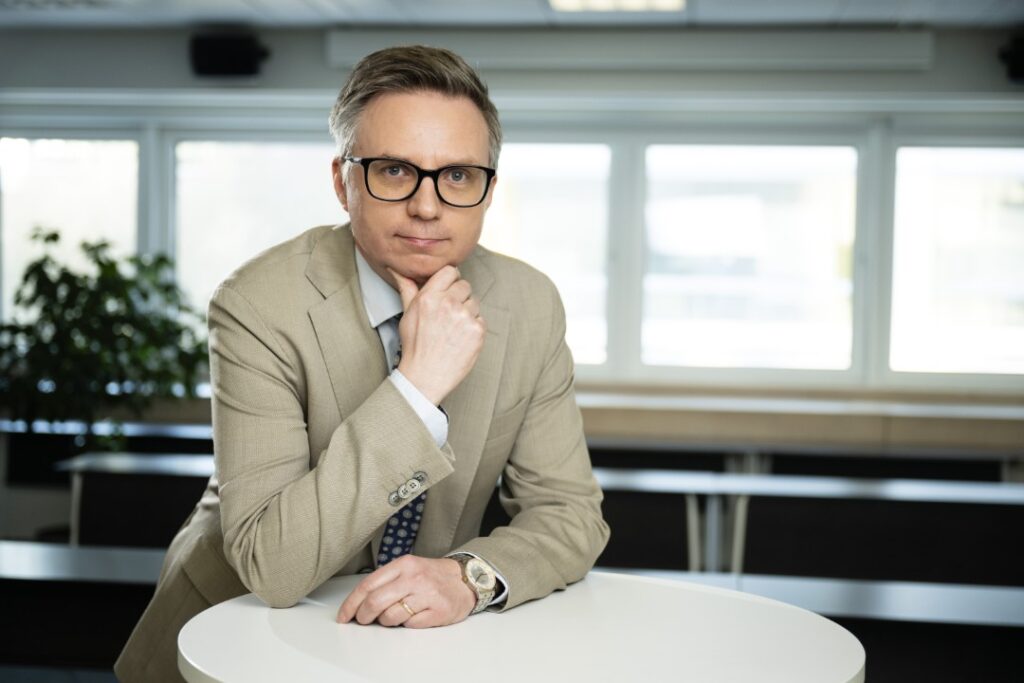
Working life is changing rapidly and in many ways, but is labour legislation keeping pace? According to Kopra, it isn’t.
“A little more than half of Finnish wage and salary earners work in expert positions, and this share is slowly on the rise. However, the discussion on the development of labour legislation often gets caught up in yes-no debates on issues of principle.”
Kopra points out that, for example, disputes over local agreements, industrial peace and illegal strikes have taken energy away from more pressing issues for Akava members. These include, for example, the widely reported load factors in expert work and the weakening of employees’ ability to cope at work.
“It’s not just about the subjective state of well-being that people experience, it’s about how work is carried out, how the results are achieved and how the work communities function”, Kopra says.
Work-related stress overlaps with people’s private lives, making it more difficult to manage. According to Kopra, employers are often quick to point out that it is difficult to distinguish whether the stress originates from work or from other areas of life.
“Surveys have shown, however, that there are clear factors in working life that cause loading and stress. These include too much work, too many interruptions, unclear goals, weak leadership, and so on.”
Stress management needs to be improved
In order to make it easier and more obligatory for workplaces to address load factors, the Occupational Safety and Health Act would need to be amended and the relevant regulations adopted.
For those engaged in knowledge and cognitive work, it is not enough to focus only on physical safety, which is easier to manage and measure. Workplaces also need to have the skills to manage and prevent psychosocial loading.
“The word social is very important here, because it suggests precisely that these problems being discussed are not simply issues for individuals, but very often relate to a social situation and must, therefore, be solved collectively.”
The management of employees’ work-related stress should not rest on the shoulders of an individual supervisor. According to Kopra, labour legislation should be updated in such a way as to ensure that the obligation applies more broadly to the organisation and ultimately to the senior management.
“The intention cannot be to force frontline supervisors, who are already struggling with heavy workloads, to solely bear the responsibility for these issues.”
Good work practices support the ability to cope at work
Akava views remote and hybrid work as an opportunity rather than a threat. Well-functioning work practices directly contribute to better stress management and coping.
Kopra believes that as employers are increasingly forcing their employees to be more heavily tied to working at the office, this is understandably creating discord.
“It is our view that these issues should be discussed together in order to find the most efficient ways of working and to determine why they are effective.”
When work is being done remotely, the insurance against occupational accidents and diseases should also be appropriately updated. Accidents can occur during remote work that are excluded from the current coverage.
There is a great deal to investigate and agree on when it comes to the use of AI. The use of AI systems for positions within the public and private sectors has not been studied or agreed on at all as of yet. There is also a need to consider how AI data is being used and exploited and how, for example, personal data is being protected.
Read more: Akava’s parliamentary election goals
Text Iida Ylinen
Photo Veikko Somerpuro